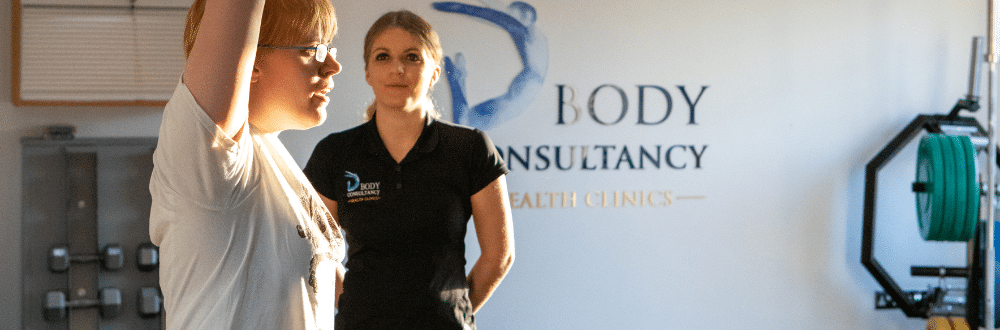
Are you experiencing pain that is stopping you from completing day-to-day tasks? Spending time with family and loved ones? Or reaching your goals and dreams? Whether you want to climb mountains and participate in sports or simply get through a day at work or pick your grandchild up without pain…we can help.
To discuss your needs with an experienced Physiotherapist, call 01425 473093
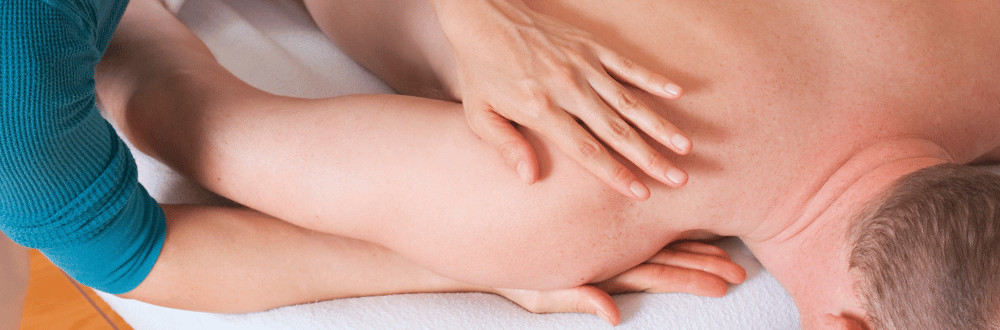
Soft tissue mobilisation is a form of manual physiotherapy using hands-on techniques on your muscles, ligaments and fascia in order to break adhesions, reduce swelling, improve blood flow and optimize your muscle function.
A joint mobilisation is a form of manual physiotherapy using hands-on techniques on the joints to decrease pain and increase the range of movement for optimum joint health.
Specific individualised post-surgery rehabilitation programme to optimise your recovery with a variety of manual hands-on treatments and specifically tailored exercises.
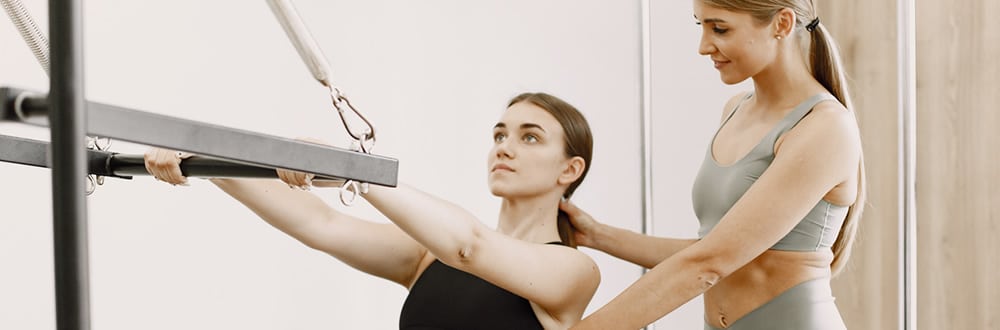
Range of motion exercises are done to preserve flexibility and mobility of the joints on which they are performed. These exercises reduce stiffness, decrease pain and allow you to move more freely.
Strengthening exercises are exercises that are designed to increase the strength of specific or groups of muscles. Weak muscles can increase the risk of injury to the surrounding joints and soft tissues. Specifically tailored strength exercises will reduce injury risk, improve function, improve quality of movement, delay the onset of arthritic conditions and improve performance in all areas of life.
A sport-specific tailored rehabilitation plan will give you the best chance of reducing aches and pains, reducing injury risk, returning to play and improving all-round performance.
In lockdown I fell head over heels with running and it quickly became the highlight of my day, I am not a fast runner or someone who will ever challenge at the front of races but I fell in love with the action of being outdoors and using my body again after many years of Sub Par activity levels after having children. My initial over-enthusiasm led to multiple areas of aches and pains; however, Josh was able to tackle each of them head on and after 4 months of consistently working together I am enjoying 3-4 runs a week pain free and my next goal is to complete my first half marathon.
Rachael
I have suffered with aches and pains for many years and after seeing 4 different health care professionals with minimal improvements, I was becoming very frustrated and did not think I would play golf again. A friend of mine recommended Josh’s services and Josh was reassuring from the first session; he asked me to bring my golf club to the session and showed me why my hip was hurting and helped me make the necessary changes.
Paddy
Josh worked with my sons aged 11 and 14. My oldest son is training for his international debut and my youngest son goes to athletics to see his friends. Despite some resistance from my boys at the start, they both ended up looking forward to seeing Josh each week. My youngest son is now pain free and enjoying his athletics twice per week and no longer needs to see Josh. My oldest son is continuing to work with Josh to help him reach the next level in his athletics. Josh has great knowledge around competition, training, sleep and much more.
We believe in working with the whole person – not just the painful area. So we’ll spend time really understanding not only your current symptoms but your daily activities, interests, experiences and goals.
We’ll advise you on what needs to change in the way you, move and hold yourself so that your problem doesn’t re-occur. We’ll help you build new habits to support your continued progress to full mobility and movement.
This ongoing phase is usually especially important for conditions we refer to as chronic (over 6 months), sub-acute (over 3 months) or acute (last few weeks) with significant re-occurring previous episodes.
Once you have met one of our physiotherapists for your complimentary consultation, we will be able to provide you with a plan based on your requirements.
Have a question? You’re not alone. Here are some of the most common queries we hear — designed to give you clarity, reassurance, and confidence before booking your appointment.
Can a physio help with injury prevention or sporting conditioning
A physio can provide good advice and insight into lifestyle, diet and exercise levels/training for general conditioning and mobility for all ages. A physio can also assist with personalised injury prevention strategies and training programmes for athletes, delving into correct techniques, posture training, movement analysis, sport specific conditioning and recovery enhancement modalities.
What can a physio help me with
Joint pain/problems
Chronic conditions
Back and neck pain and stiffness
Injuries – sporting, workplace or daily life
Neurological conditions
General mobility
Pre and post-surgery rehabilitation
Activity endurance and strength training
Lifestyle advice
What will treatment with a physio consist of
Physio’s use multiple different treatment modalities to target specific and holistic issues identified on assessment. Including exercise therapy, manual techniques like soft-tissue and deep tissue massage or joint mobilisations. Taping or bracing techniques to support or improve movement. Education for rehabilitation, maintenance and retraining.
What is physiotherapy
Physiotherapy is a healthcare profession focused on maintaining and improving physical function, movement biomechanics and muscle strength and capacity for load. Helping to restore mobility and reduce pain associated with activity and general life, acute or chronic.
How long will I need to attend physiotherapy sessions
The length of your treatment plan will depend on several factors including your pathology, pain level, history of presenting condition, aspects involved and the needed treatments and progressions to aid in recovery. Some cases can improve in 4-6 weeks while others more towards 8-12 weeks. Maintenance following treatment plans are also valuable aspects of care with a physiotherapist to reduce the chance of relapse or reinjury.
What should I wear or bring with me?
Comfortable attire you can easily move around in.
o As part of your assessment, your physio may require you to remove aspects of clothing, so easily changeable or loose baggy clothing suited.
o It can be useful to bring any recent scans/ medical reports, medication lists and referral letters.
o If using insurance, it can also be useful to bring this information along also.
o Any current braces, supports or orthotics being used on personal accord or based on recommendation from a healthcare provider.
What does an initial appointment with a physio look like?
Discussion of the history of your presenting condition/problem. How it came about and the pattern of your pain/symptoms over time.
o Physical assessment investigating and testing movement, strength, aggravating and easing factors of symptoms, palpation of joint structures and soft tissues and functional movement analysis.
o Report of findings, explanation and education about your working diagnosis.
o Recommendation and the start of a personalised treatment plan including specific and holistic treatment methods to address all issues identified.
o General advice towards activity modification, pain relief modalities and adjuncts to your treatment plan.
This site uses cookies to provide you with a better and safer user experience. By navigating the site, you agree to the use of cookies to collect information on your visit.